 Card games
Draw and discard to build runs and sets, then knock with low deadwood.
Getting a board
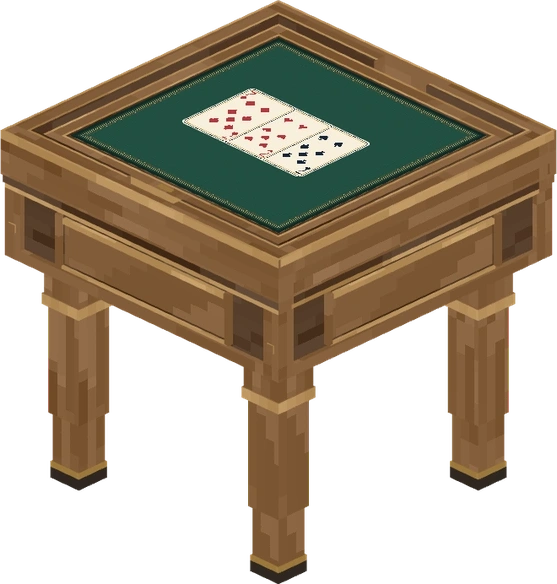
Section titled “Getting a board”Craft a Gin Rummy Board and fit it into a Small Game Table. Place matching Game Chairs facing the table, then take a seat.


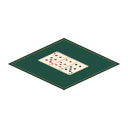
- 1 ×Paper
- 7 ×Any planks
- 1 ×Green wool
How to play
Section titled “How to play”Open the fitted board to make your moves. How to play in the side tray gives you the same lessons with illustrations inside the game.
Make groups
Section titled “Make groups”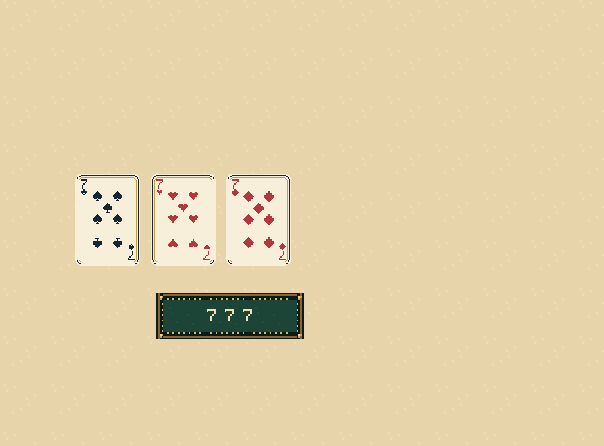
A set has three or four cards of the same rank in different suits.
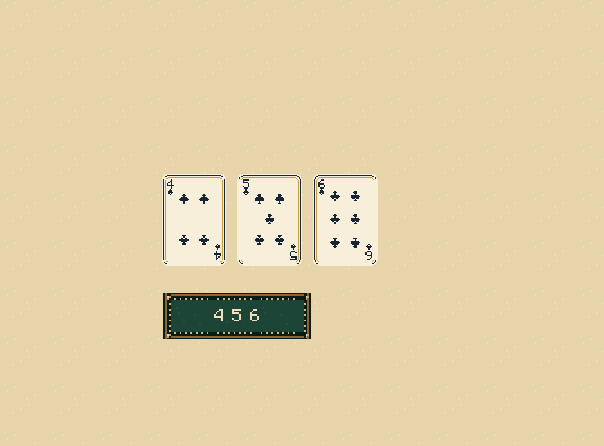
A run has at least three cards climbing in one suit. Aces are low.
Take, then tidy
Section titled “Take, then tidy”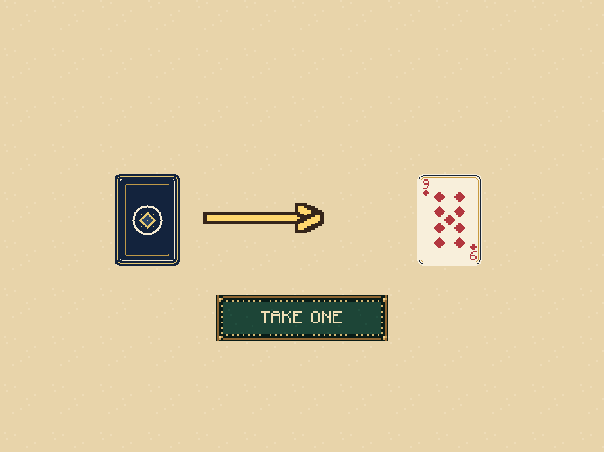
Take the stock card or the face-up discard.
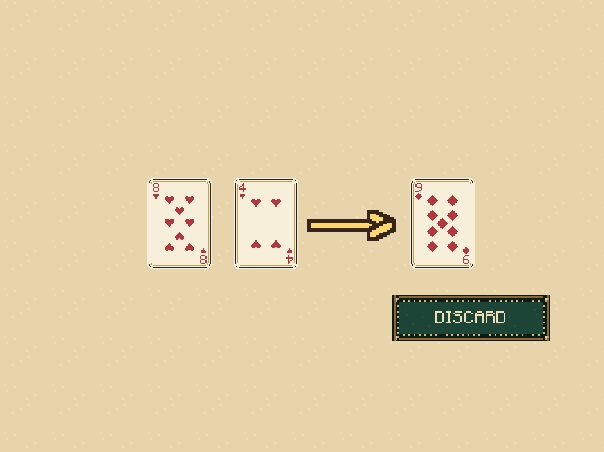
After drawing, put one unwanted card face up.
Count deadwood
Section titled “Count deadwood”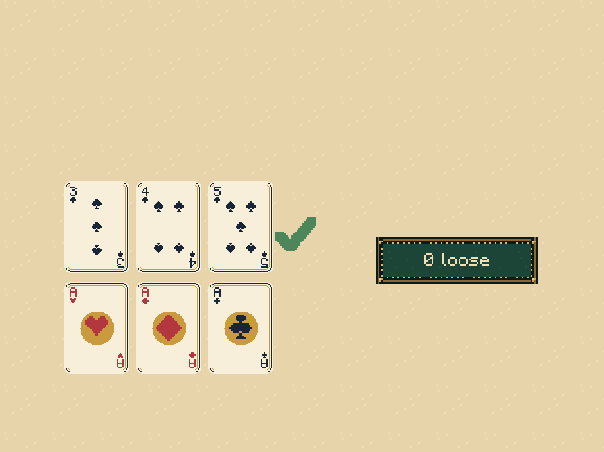
Cards in sets and runs do not count as deadwood.
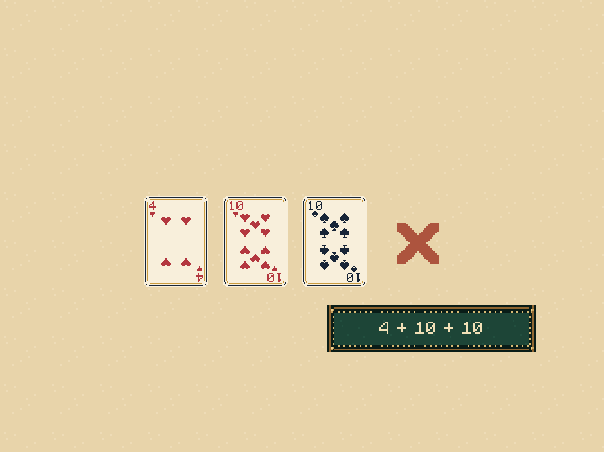
Loose cards count by rank; face cards count ten.
Knock at ten
Section titled “Knock at ten”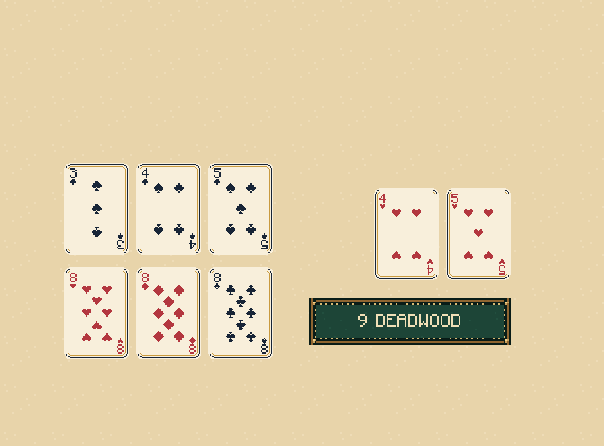
After your discard, knock with ten or fewer deadwood points.
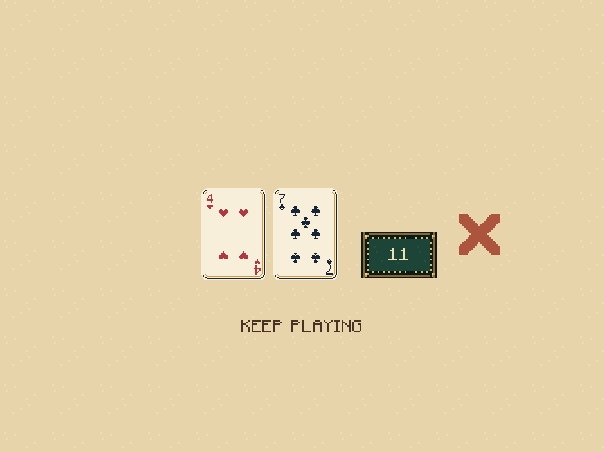
Eleven is too many. Keep drawing and improving.
Gin is special
Section titled “Gin is special”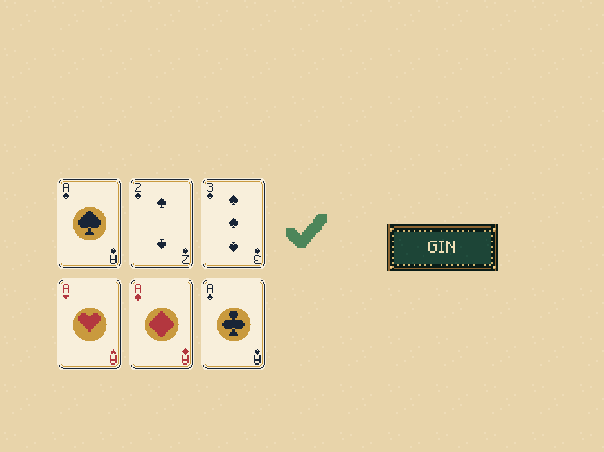
Gin means every card belongs to a meld.
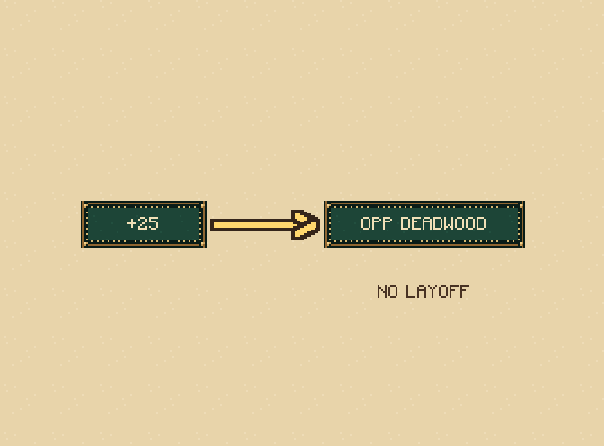
Gin earns the 25-point bonus plus the opponent's deadwood.
Knock can be undercut
Section titled “Knock can be undercut”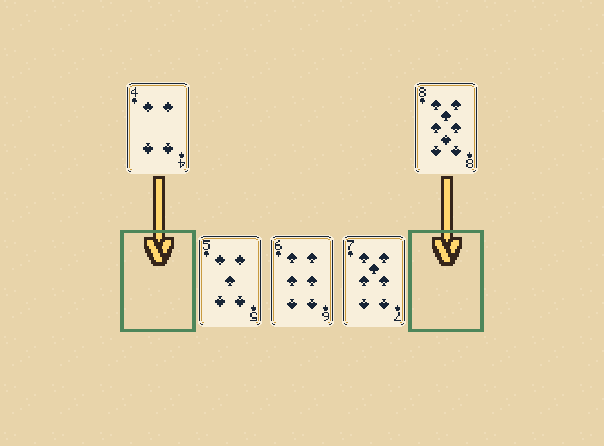
After a knock, the opponent may extend the knocker's melds.
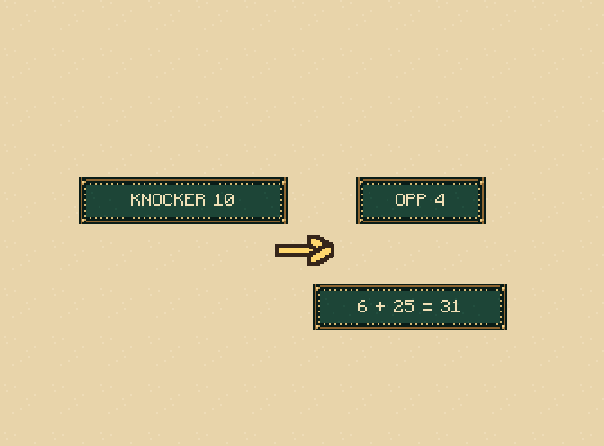
Equal or lower opponent deadwood undercuts: difference plus 25 points.
Win points each hand
Section titled “Win points each hand”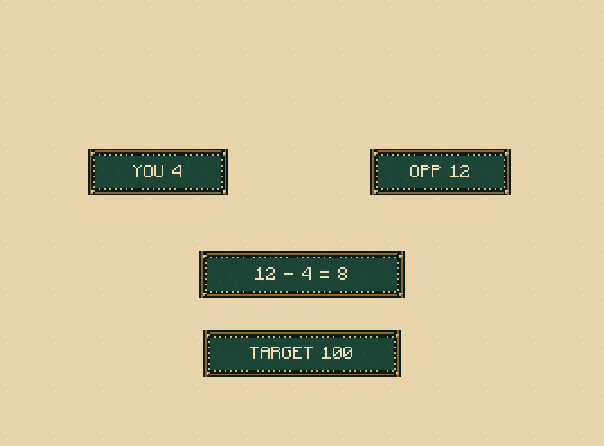
If your deadwood is lower after layoffs, score the difference. First to 100 wins.
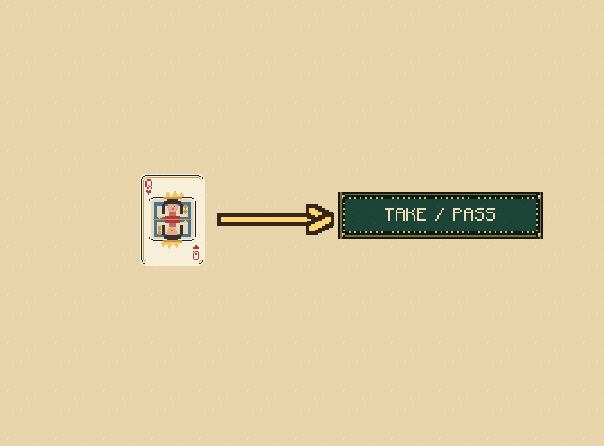
The non-dealer may take the first upcard. If both pass it, the non-dealer draws from stock.
The stock can run out
Section titled “The stock can run out”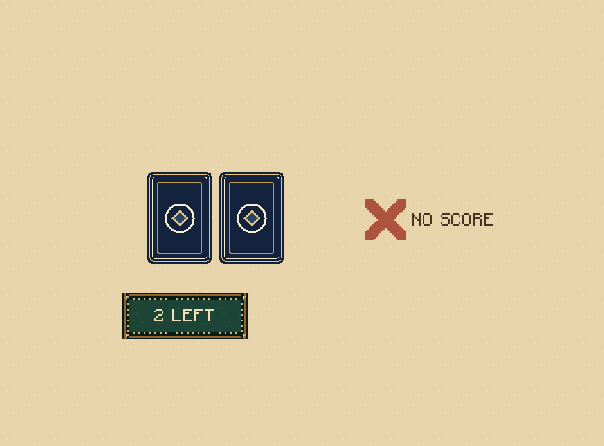
When only two stock cards remain after a non-knock discard, the hand ends with no score.
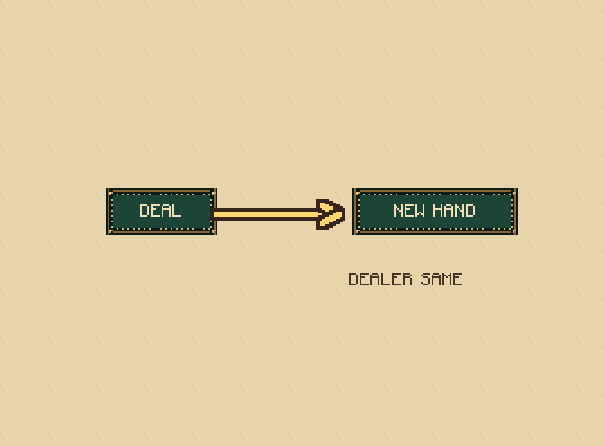
The same dealer starts the next deal after a stock exhaustion.
Rules in more detail
Section titled “Rules in more detail”Layoff, gin and undercut
Section titled “Layoff, gin and undercut”Ten-card hands can knock after discarding with at most ten deadwood, or go gin with none. An ordinary knock lets the opponent lay off against the knocker’s melds before comparison. If their remaining deadwood equals or beats the knocker’s, they undercut for the difference plus twenty-five. Gin awards twenty-five plus the opponent’s deadwood and does not permit layoff. The match target is one hundred points.
Keep playing
Section titled “Keep playing”Use Rematch after the result to play again. To pause an unfinished match, the table owner can remove and keep its board.
See seats and solo play for multiplayer and Play alone, or item stakes if you want to agree on a pot.